Over the past two weeks, I’ve been reflecting on conversations from the GetYourGuide Summit through one lens: what's actually working across cultural attractions right now.
At SSA, we see it every day. When revenue is approached as a connected guest journey, not a set of siloed functions, and when hospitality is designed to make people feel welcomed, not just processed, performance follows. That’s the foundation of One Revenue Strategy and 452 Hospitality.
That thinking showed up clearly in the museum conversation.
Museums are getting a few critical things right.
The Panel of Experts
The session was moderated by Laura von der Heyde from GetYourGuide. She brought a panelist lineup with serious depth: Gabriela Pupin, Director of Marketing at MoMA, bringing a brand marketer's perspective to one of the world's most iconic institutions. Shaleen Godfrey from the Phillip and Patricia Frost Museum of Science in Miami, who oversees guest services, event sales, and CRM, has been with the museum for nine years. And Joshua Schnakenberg, Senior Director of Marketing at the American Museum of Natural History, who started as a docent 22 years ago.
Three institutions. Three very different operating realities. And a conversation that kept circling back to the same core question: how do you earn the visit, and then make it worth it once someone walks through the door?
Visitor Engagement Starts Earlier Than You Might Think
One of the first things Gabriela said set the tone for the whole session. Culture consumption today is fragmented and diluted. Fifty years ago, a museum was the place to engage with art.
Now, museum visitor engagement has changed. A museum ticket competes with a Netflix subscription in the guest's mind. The journey to your institution starts well before the front door. It starts on TikTok, served by an algorithm you don't control. It starts on Reddit, in a fandom community you may not even know exists.
Joshua built on this directly. The audience that finds AMNH online, intentionally or by accident, is fundamentally different from the audience that walks in. He shared an example of a recent Pride event designed to engage a specific audience through a timely, mission-connected topic. Online, they were able to reach and resonate with the right communities and expand that reach through aligned partners. But when that same content reached a broader, unfiltered audience, the response told a different story.
The takeaway isn’t the program itself. It’s that digital discovery brings in new audiences who may not look or behave like those already walking through the doors, and that museum visitor engagement is becoming more complex, shaped by audiences discovering institutions in entirely new ways.
Discovery is Now Part of the Guest Experience
Discovery now plays a central role in the guest experience as culture consumption becomes more fragmented. A museum visit no longer competes only with another museum, event, or day out. It competes with streaming platforms, social media, online communities, and the constant flow of digital content shaping how people decide what is worth their time.
That shift changes how cultural attractions need to think about engagement. The guest journey may start on TikTok, through a partner organization, in a niche online community, or in a comment thread where people are encountering the institution for the first time. Those audiences may not look or behave like the audience already walking through the doors.
The strategic challenge is not simply creating better digital content. It is understanding that discovery, consideration, arrival, onsite experience, and return are now part of one connected system.
That is where One Revenue Strategy becomes powerful. It helps cultural attractions look beyond isolated touchpoints and align the full journey, so engagement, experience, and performance move forward together.
The Third Space Opportunity
When Laura asked the panel what one thing they'd change about museums tomorrow, Gabriela's answer was the most aspirational in the room. She wants museums to become a third space again. Not a destination you visit once and check off. Not a passive experience. A place people choose to return to, linger in, and feel ownership over.
She pointed to MoMA's mission, a catalyst for experimentation, a space for gathering, and said the real work is making that tangible in a neighborhood, not just on paper. Shaleen echoed this from a different angle: Miami has extraordinary cultural institutions that have largely siloed themselves from each other. Her vision is for a more connected, collaborative cultural identity in the city, where people think of museums when they think of Miami, not just beaches.
Creating a space people want to return to, where they feel welcomed, seen, and part of something, is the entire premise of 452 Hospitality. The visit isn't the finish line. It's the beginning of the relationship.
Partnerships Are Force Multipliers, But Only the Right Ones
Joshua's framing of partnerships was blunt and worth repeating. A good partner doesn't walk in and say, "We should do something together." They walk in with a specific idea, a clear articulation of what you'll each get out of it, and a real understanding of what you're trying to accomplish. That specificity is what makes conversations move fast.
He also made a point that reframes how many institutions think about distribution partnerships. When someone in a budget meeting sees that GYG visitors have a lower per-cap than walk-up guests, the instinct is to question the channel. Joshua's answer: Those aren't cheap tickets. That's cheap advertising. When you don't have a bottomless pit of marketing dollars, you find partners who have the reach you can't build yourself.
Gabriela added another layer: brand partnerships. Relationships with brands like Mattel, Nike, and Chanel, which might not have been considered a decade ago, are now a meaningful way to diversify revenue. Not because the mission has changed, but because every dollar earned supports research, education, and the institution itself.
This is One Revenue Strategy applied to the partner ecosystem. Every relationship, distribution, brand, and institution contributes to or detracts from museum visitor engagement and the bottom line. The goal is alignment, not volume.
The Question that Anchored the Room
Toward the end of the session, the conversation centered on a question many in the industry are quietly asking:
"Attendance is softening in our industry. What are you doing to approach local audiences versus the tourist market right now? And once people are on-site, we're competing with those staying home. What makes the on-site experience worth showing up for? Is it hospitality? Is it exhibitions?"
It's a two-part question with one answer underneath: every part of the operation has to earn its place in the guest's day.
Gabriela's response: three pillars: Build local relevance, maintain international mind share even when visitors can't come, and create more reasons to return. Events, community programming, barrier-free access.
Joshua's response: Use every partner and every resource to close the gap between your reach and theirs.
Shaleen's response: Hospitality is the constant. Exhibitions change, construction happens, and content evolves, but the human connection you provide can stay consistent and keep growing. At the Frost Museum of Science, that means programming on every floor and in every exhibit, with a human being present doing something. Guests told them directly: they don't just want to walk around and read. They want connection. They want experience.
All of it comes back to the same thing SSA has believed for more than 56 years: when the full guest experience is aligned, before, during, and after the visit, the outcomes follow. That's not a philosophy. That's how sustainable growth works.
Using AI & Data to Inform Museum Visitor Engagement
Earlier in the session, Shaleen Godfrey from the Frost Museum of Science shared how her team is putting AI to work behind the scenes, using analytics from platforms like TikTok and Instagram to inform timing, messaging, and programming based on real guest behavior. Email segmentation means guests are no longer receiving the same message regardless of why they came.
It's a philosophy SSA knows well: the more you power the back of house with technology, the more you can lead the front of house with hospitality. The goal isn't technology for its own sake. It's freeing up your people to do what technology never can, show up for the guest in a way that feels personal, present, and human. It's also something we're putting into practice. SSA is rolling out our own AI strategy this July, and conversations like this one are exactly what's shaping it.
Closing Thoughts
Museums are navigating real headwinds right now. Softening attendance. Shifting international markets. The funding tension was named plainly by audience member Noah from Chicago Children's Museum. He noted that federal and foundation funding has essentially disappeared, and that the very things proven to drive attendance, floor staff, facilitated experiences, and reduced-price entry are also the most expensive to sustain.
But what I heard in that room wasn't anxiety. It was clarity. The institutions moving in the right direction have stopped treating the visit as a transaction and started treating it as a relationship. They're thinking in fandoms, not demographics. They're building third spaces, not just exhibitions. They're aligning partners around shared outcomes, not just filling slots in a distribution strategy.
That's the kind of thinking that scales. And it's the kind of thinking we bring to every partner we work with at SSA.
More from the summit next week.
About the Author
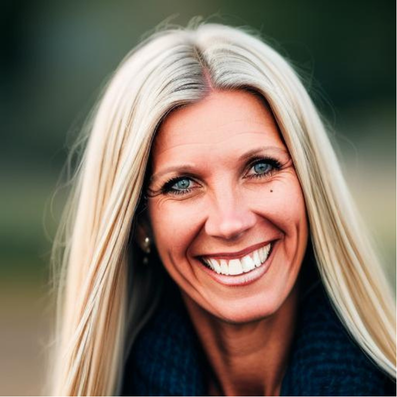
Tera Greenwood
Tera Greenwood is Executive Vice President of Brand & Relationships at the SSA Group, where she leads brand strategy, marketing, and business development. She drives how SSA shows up in the market, connecting brand to revenue and growth across its partner ecosystem. Tera champions 452 Hospitality, SSA’s ethos which aligns people, systems, and innovation to create meaningful guest experiences and lasting stability for cultural attractions. She lives in Denver, Colorado with her husband, Brandan, her son, Grayson, and their dog, Lucky.
.jpg)